Self Care Tips
Self-Care & Everyday Wellbeing
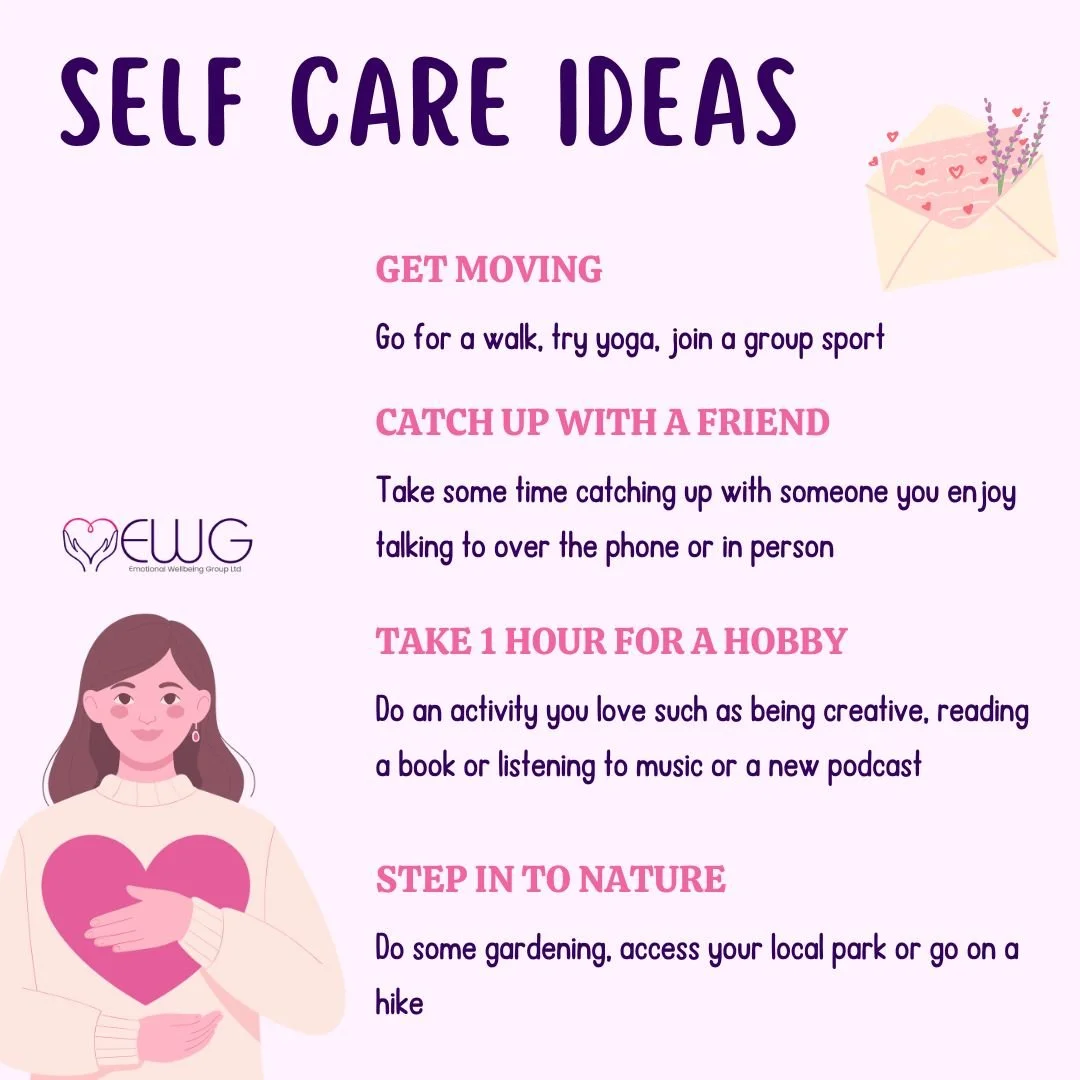
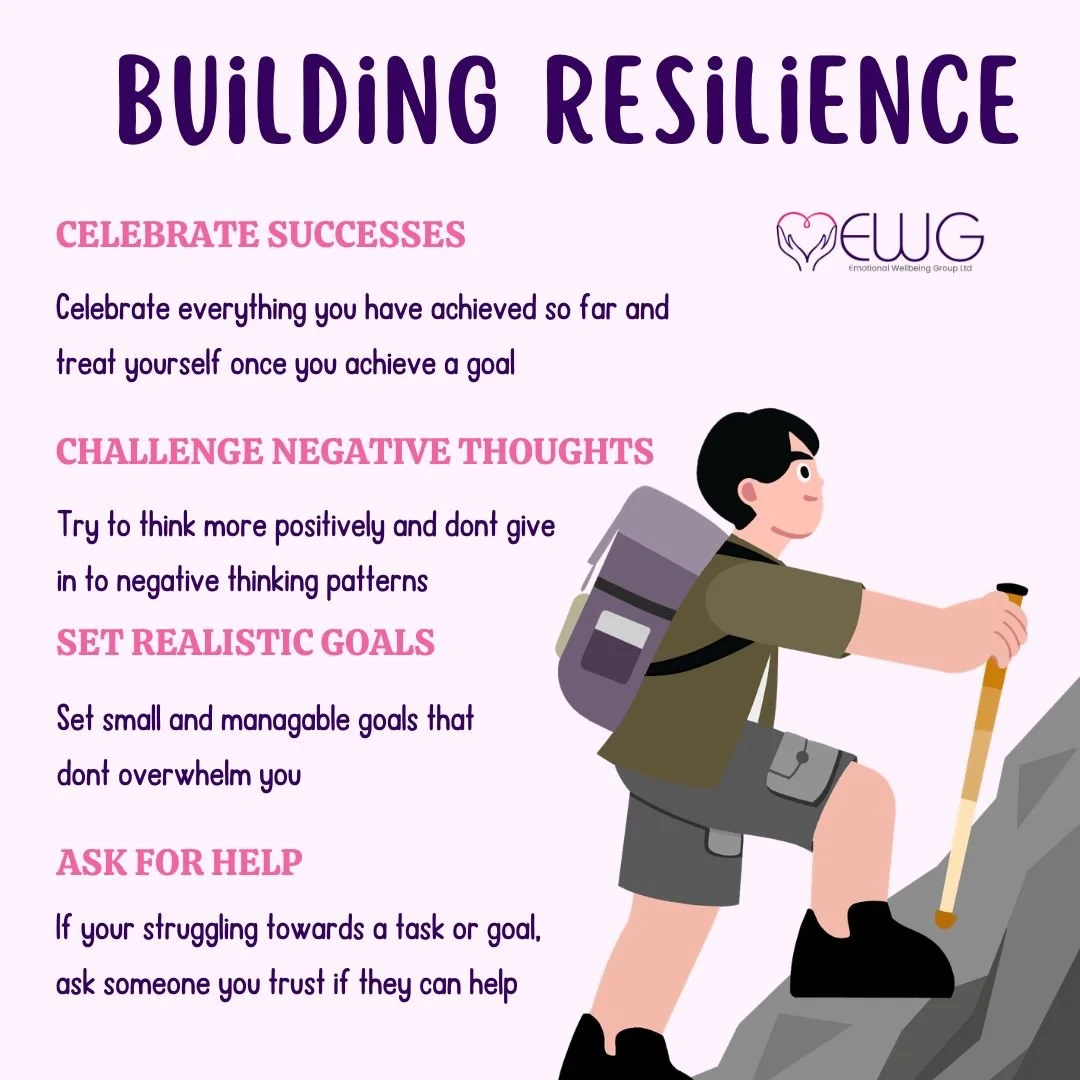
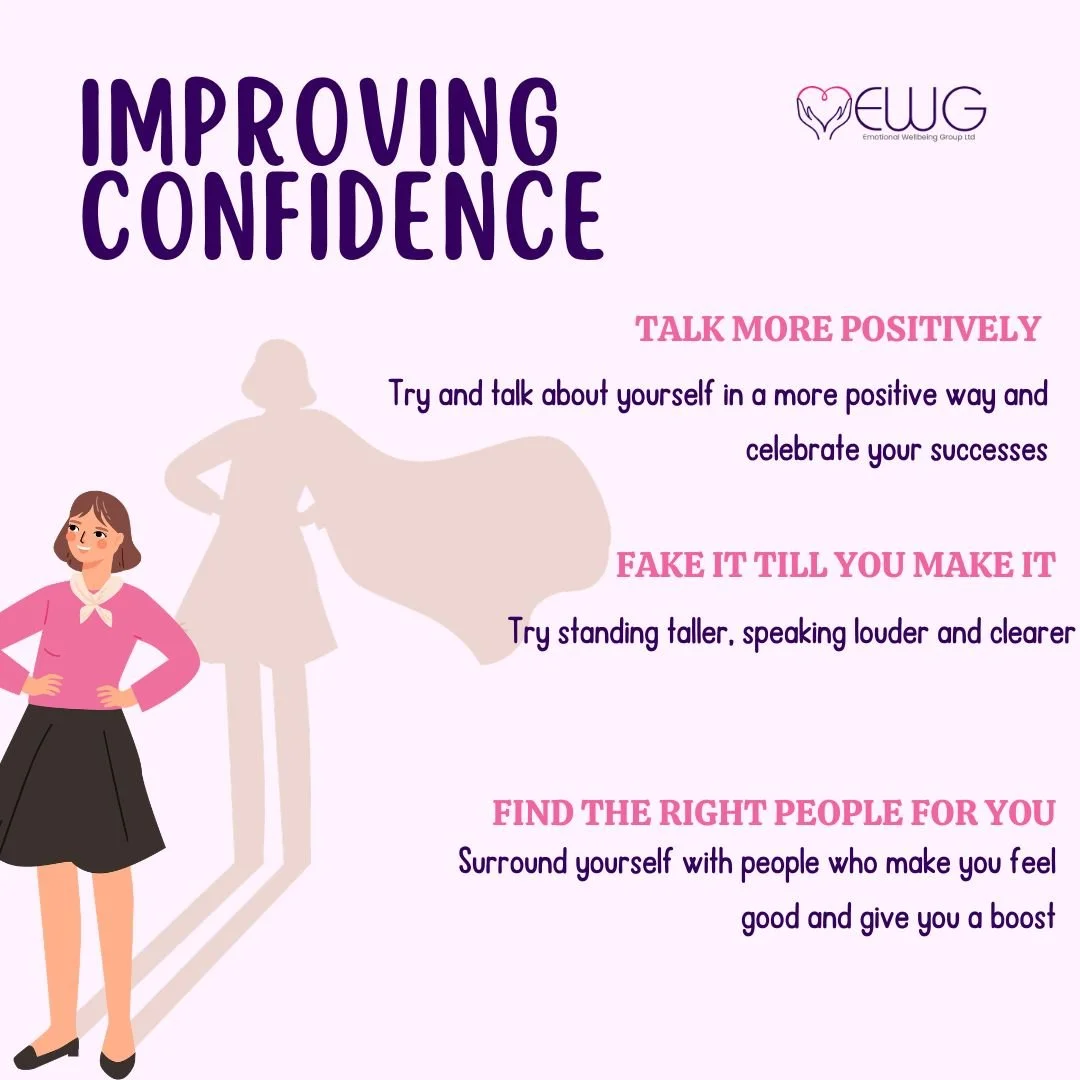
Self-care is not about doing more or getting it “right” — it’s about responding to yourself with kindness, honesty, and care. This section offers supportive resources to help soften self-criticism, encourage emotional safety, and provide steadiness during difficult moments. Everything here is intended to be used flexibly, without pressure or expectation.

Understanding Yourself: Labels, Inner Voices & Worth
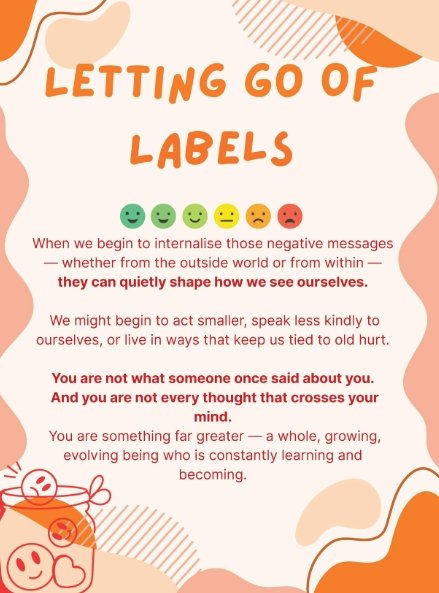
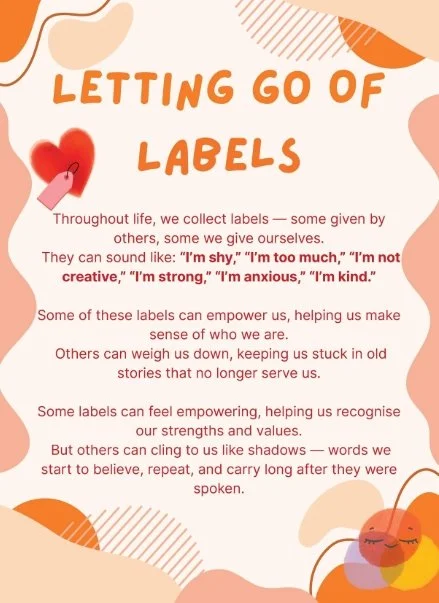
Throughout life, we collect labels and messages — some given to us by others, some we take on ourselves. Over time, these can quietly shape how we see ourselves, how we relate to others, and what we believe we’re allowed to need or feel. This set of resources invites gentle reflection on the stories you may be carrying, and offers a compassionate way to understand yourself more fully.
These resources explore:
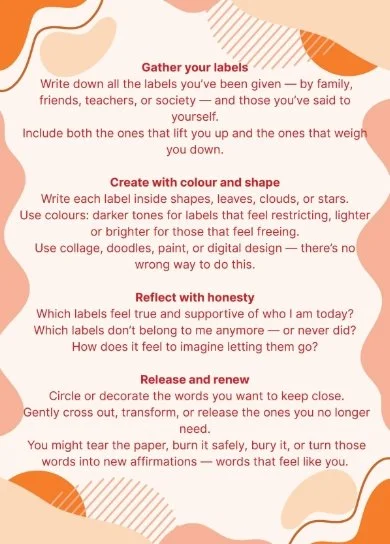
The labels we live by, and how they can limit or define us
Internalised messages and self-talk shaped by past experiences
Conditions of worth — beliefs about being “good enough” only if certain expectations are met
How early coping patterns can influence identity, shame, or self-criticism
Creating space to question old stories and reconnect with a more authentic sense of self
Understanding Yourself
Understanding yourself is not about fixing what’s “wrong” — it’s about gently noticing patterns, stories, and responses that developed for a reason. This section explores how past experiences, relationships, and environments shape the way we think, feel, and relate to ourselves today. These resources are designed to support curiosity, compassion, and insight, helping you make sense of your inner world at your own pace.
Internalisation: Holding Experiences on the Inside
Internalisation is a common way of coping where emotions, thoughts, and needs are held inward rather than expressed or shared. Often learned early as a way to stay safe or manage difficult situations, internalisation can be helpful at one time but may become heavy or limiting over time. It can show up as self-criticism, emotional suppression, overwhelm, or feeling disconnected from what you need.
These resources explore:
What internalisation is and why it can develop
How internalised emotions affect thoughts, feelings, and the body
The link between internalisation, guilt, shame, and self-criticism
Noticing internalisation patterns with compassion rather than blame
How support can help create space for expression and regulation

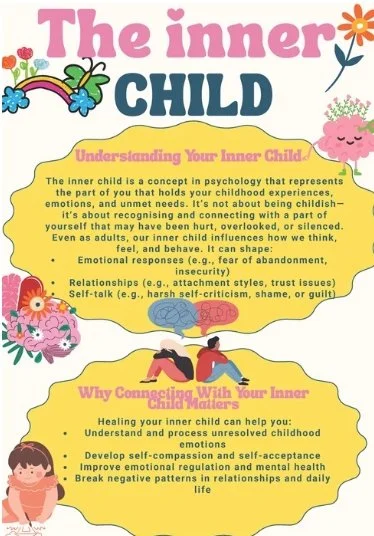
Understanding Your Inner Child
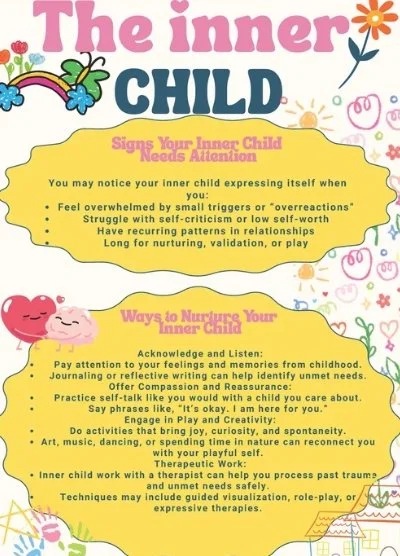
The “inner child” is a way of understanding the part of us that carries early emotional experiences, unmet needs, and learned ways of coping. These experiences can continue to shape how we think, feel, and relate to others, often outside of our awareness.
This section offers resources to help you notice patterns linked to early experiences, understand where certain reactions or self-talk may come from, and respond to yourself with greater compassion. Inner child work isn’t about revisiting the past in detail — it’s about gently acknowledging parts of you that may still need care, safety, or understanding.
Creating an Inner Safe World
An inner safe world is an imagined or remembered place that offers a sense of safety, comfort, or steadiness. For many people, especially those who have experienced stress, trauma, or ongoing overwhelm, safety doesn’t always feel automatic. Creating an inner safe world can help the nervous system settle by offering a reliable place to return to — internally — when things feel difficult.
This section includes gentle visualisations and reflective prompts to help you build or strengthen a sense of inner safety. These practices aren’t about escaping reality, but about giving your body and mind moments of rest, grounding, and reassurance when you need them.
You’re encouraged to move at your own pace, adapting or imagining what feels most supportive for you.