Mental Health Library

Downloadable information and tools.
Jump to section:
Understanding Myself
Understanding yourself is not about fixing what’s “wrong” — it’s about gently noticing patterns, stories, and responses that developed for a reason. This section explores how past experiences, relationships, and environments shape the way we think, feel, and relate to ourselves today. These resources are designed to support curiosity, compassion, and insight, helping you make sense of your inner world at your own pace.
Internalisation: Holding Experiences on the Inside
Internalisation is a common way of coping where emotions, thoughts, and needs are held inward rather than expressed or shared. Often learned early as a way to stay safe or manage difficult situations, internalisation can be helpful at one time but may become heavy or limiting over time. It can show up as self-criticism, emotional suppression, overwhelm, or feeling disconnected from what you need.
These resources explore:
What internalisation is and why it can develop
How internalised emotions affect thoughts, feelings, and the body
The link between internalisation, guilt, shame, and self-criticism
Noticing internalisation patterns with compassion rather than blame
How support can help create space for expression and regulation
Understanding Yourself: Labels, Inner Voices & Worth
Throughout life, we collect labels and messages — some given to us by others, some we take on ourselves. Over time, these can quietly shape how we see ourselves, how we relate to others, and what we believe we’re allowed to need or feel. This set of resources invites gentle reflection on the stories you may be carrying, and offers a compassionate way to understand yourself more fully.
These resources explore:
The labels we live by, and how they can limit or define us
Internalised messages and self-talk shaped by past experiences
Conditions of worth — beliefs about being “good enough” only if certain expectations are met
How early coping patterns can influence identity, shame, or self-criticism
Creating space to question old stories and reconnect with a more authentic sense of self
Touchstones: Meaning, Memory & Emotional Responses
Touchstones are experiences, objects, sensations, or memories that carry emotional meaning. They can quietly shape how we feel, react, and understand ourselves — often without us realising why. These resources explore how touchstones form, how they affect the nervous system, and how they can be worked with in supportive, compassionate ways.
These resources explore:
What touchstones are and how they develop through lived experience
How the brain and nervous system link past meaning with present moments
The positives of touchstones, such as grounding, connection, and emotional access
Challenges that can arise when touchstones are linked to trauma or loss
Ways of working with touchstones safely, intentionally, and with choice
Understanding “triggers” as signals of unresolved meaning rather than personal failure
Emotions & Regulation
Emotions can feel confusing, intense, or hard to access — especially during periods of stress, trauma, or burnout. This section focuses on understanding emotional experiences and developing gentle ways to regulate them. Rather than forcing change, these resources support awareness, safety, and connection between the mind and body.
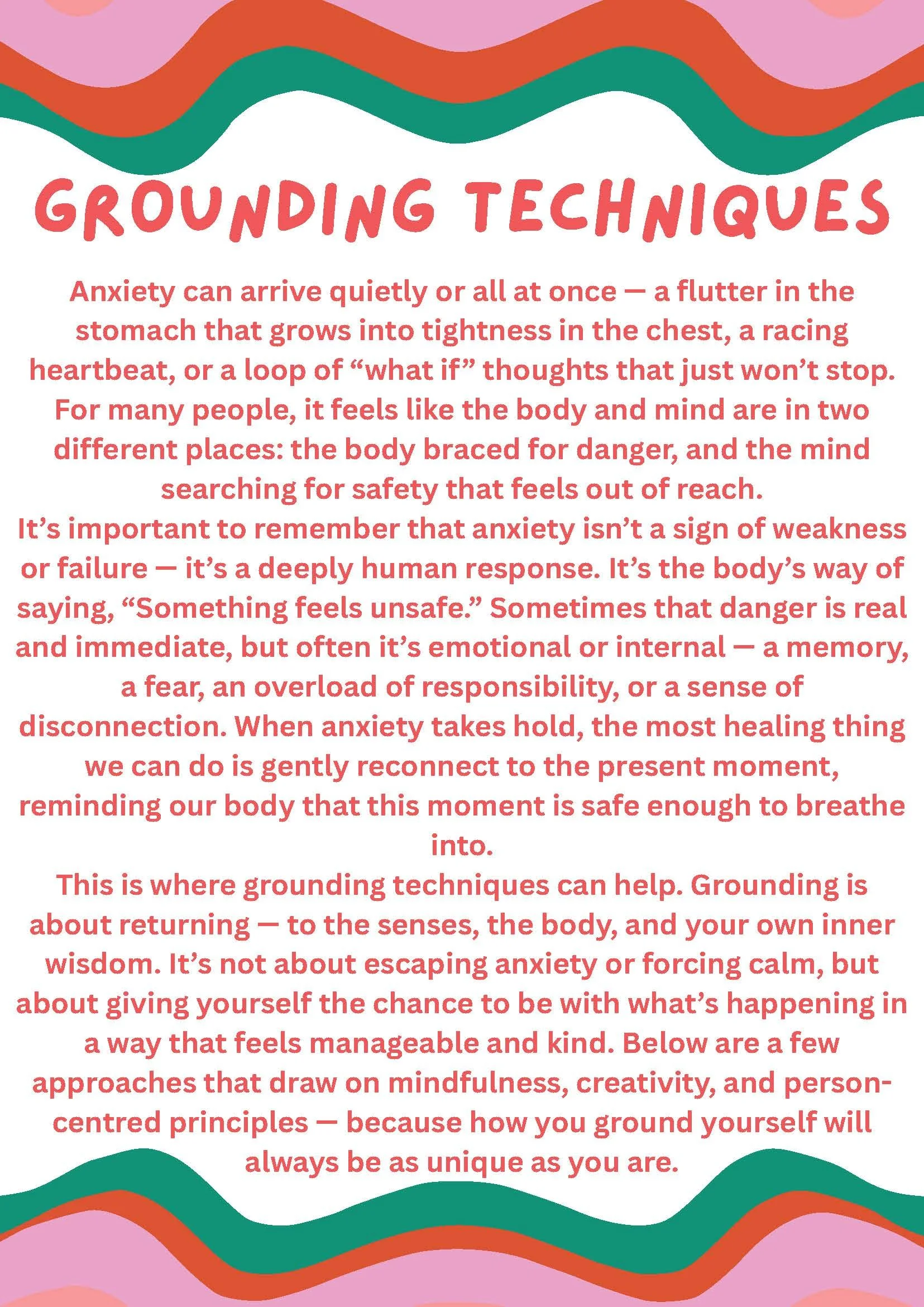
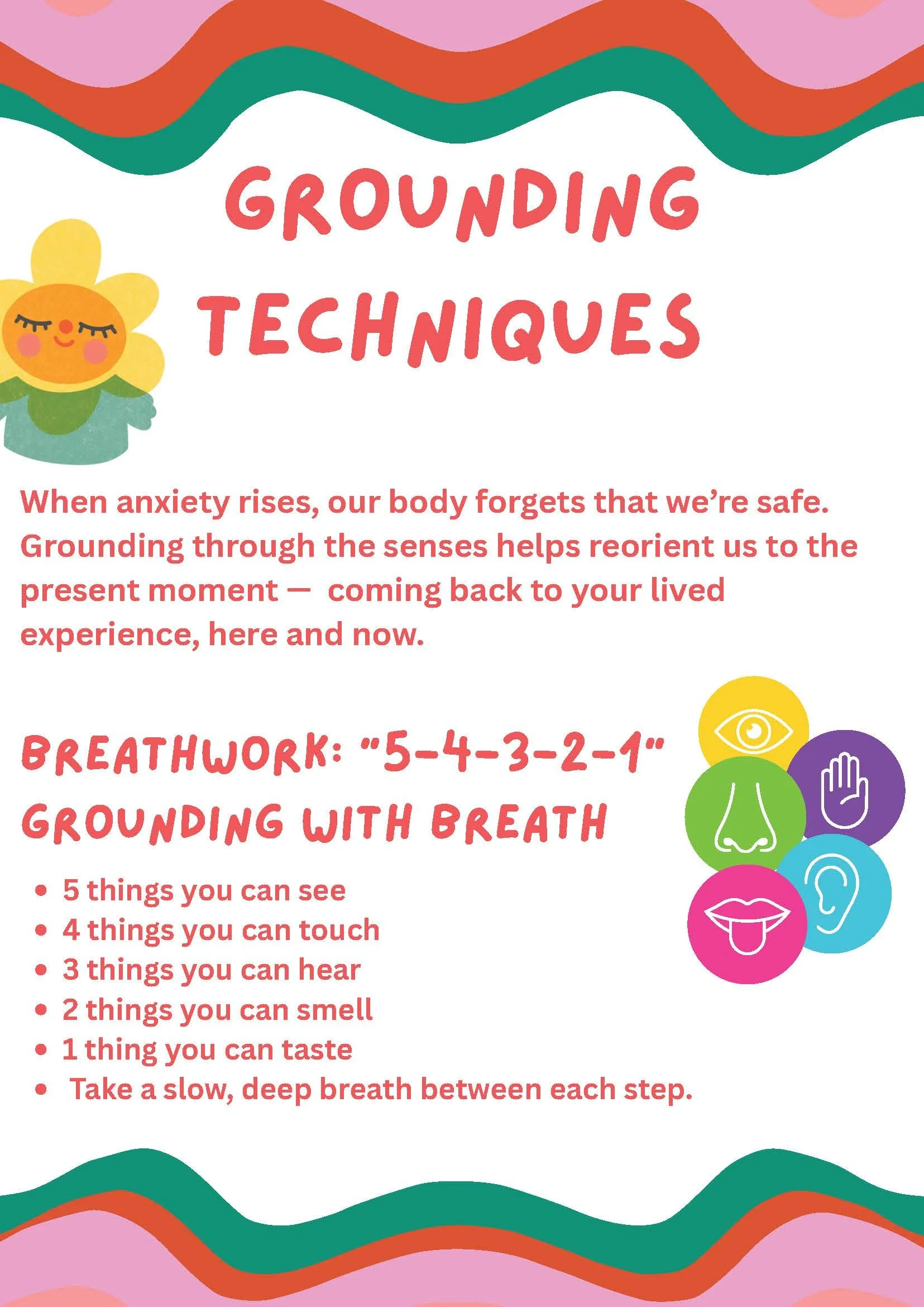
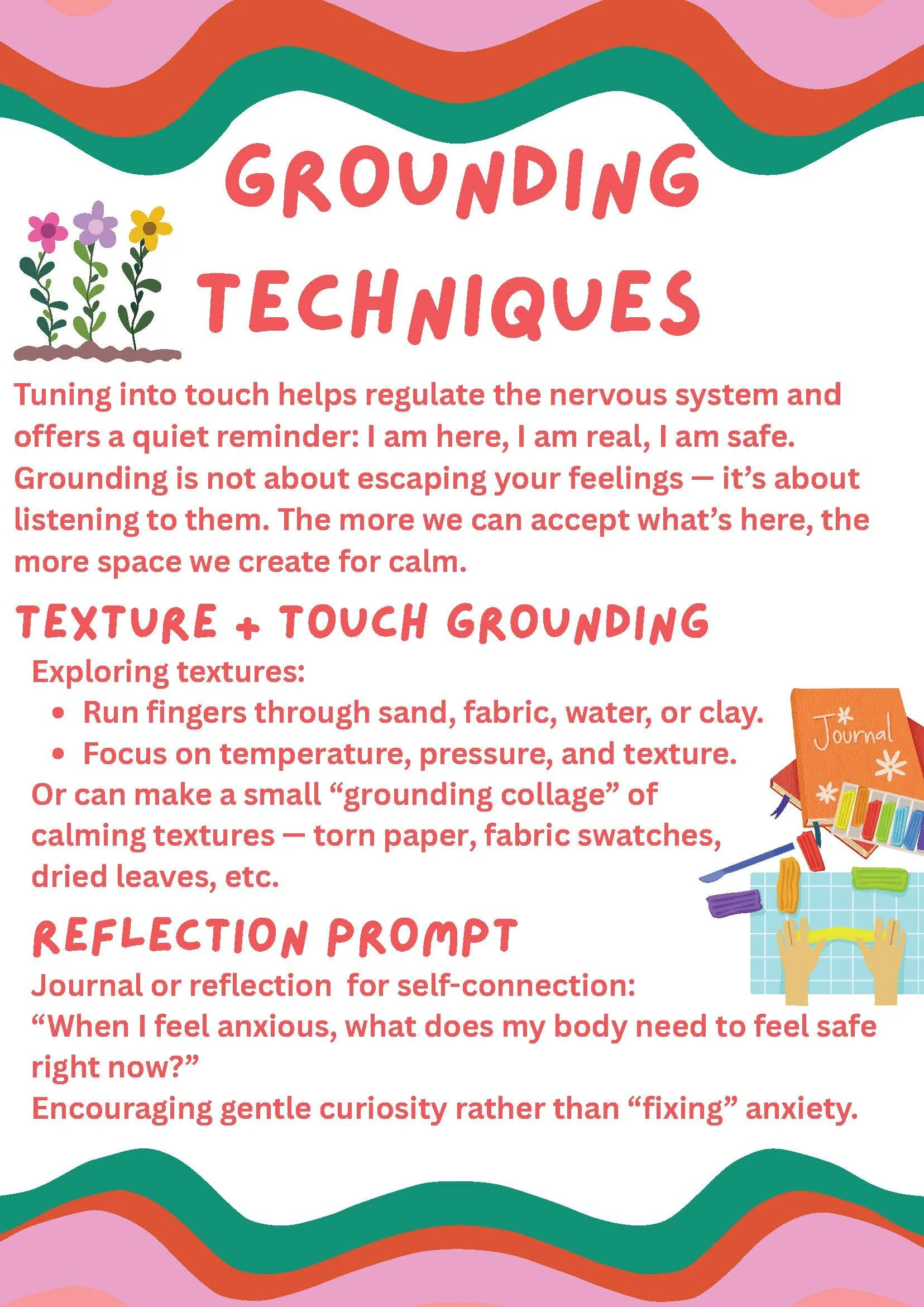
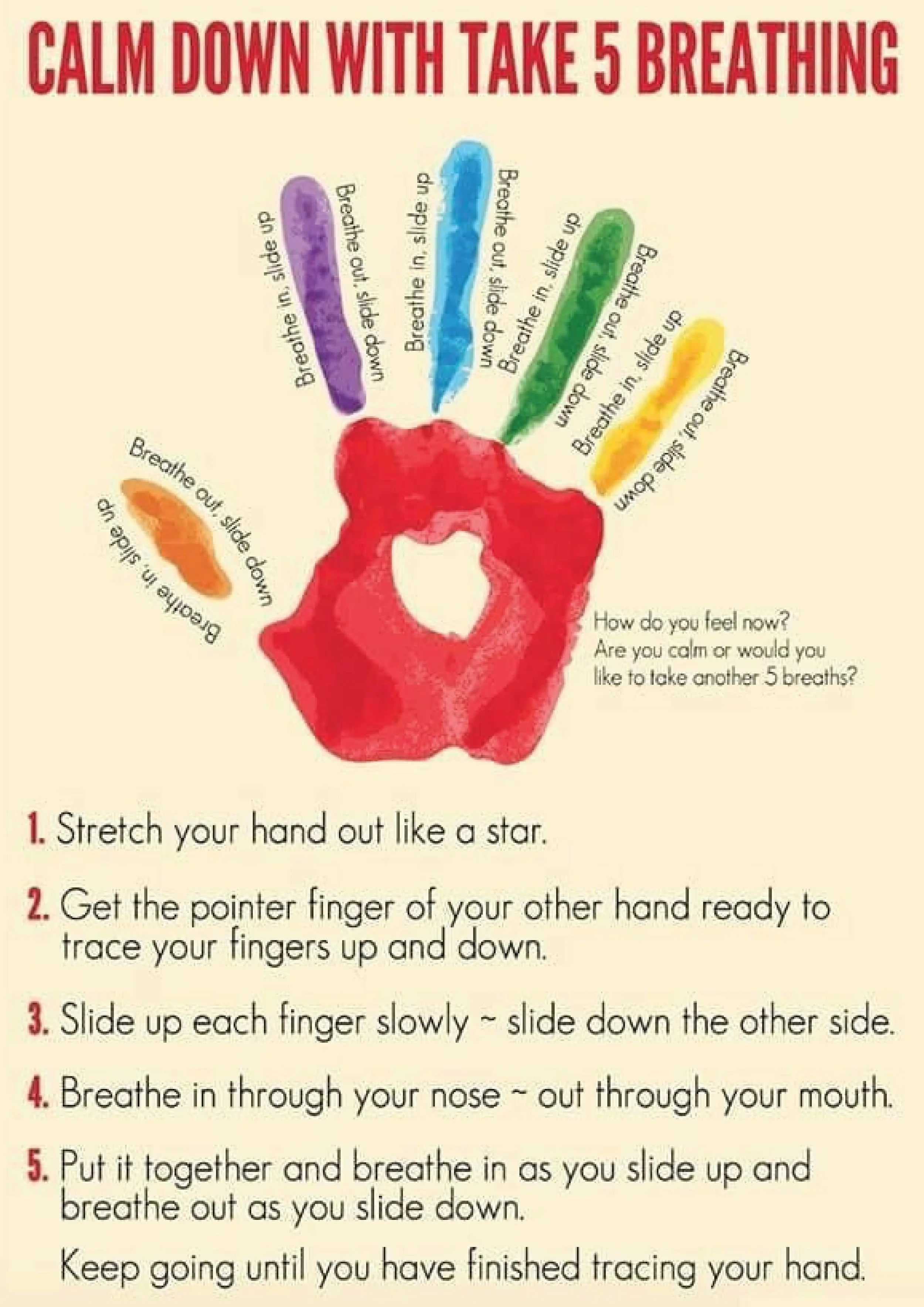
Mindfulness & Grounding Techniques
Mindfulness and grounding practices help bring attention back to the present moment, especially when thoughts or emotions feel overwhelming or hard to manage. Rather than trying to change how you feel, these techniques support awareness, steadiness, and connection with the body.
This section includes gentle practices that focus on breath, sensation, and the senses. They are designed to support emotional regulation, reduce overwhelm, and create small moments of safety — without pressure to feel calm or “do it right.”
Using Creativity for Emotional Expression
Creativity can be a powerful way to explore emotions when words feel hard to find. Drawing, writing, movement, or imaginative play allow expression without needing to explain, analyse, or get things “right.” Creative practices can help emotions move, soften, or become more understandable in their own time.
This section offers creative prompts designed to support emotional expression, curiosity, and self-connection. They’re not about artistic skill or outcomes — they’re about process, freedom, and listening to what wants to be expressed.
Understanding Your Inner Child:
The “inner child” is a way of understanding the part of us that carries early emotional experiences, unmet needs, and learned ways of coping. These experiences can continue to shape how we think, feel, and relate to others, often outside of our awareness.
This section offers resources to help you notice patterns linked to early experiences, understand where certain reactions or self-talk may come from, and respond to yourself with greater compassion. Inner child work isn’t about revisiting the past in detail — it’s about gently acknowledging parts of you that may still need care, safety, or understanding.


How Are You Feeling Today? – Emotional Numbness & Detachment
This resource offers reassurance and understanding around emotional numbness or detachment, framing it as a protective response rather than a personal failure. It gently explains how feelings can return when there is enough safety and support.
Emotions & Regulation:
Emotions can feel intense, confusing, or difficult to access — especially during periods of stress, overwhelm, or emotional fatigue. Emotional regulation isn’t about controlling or suppressing feelings, but about learning how to notice, understand, and respond to them in ways that feel safer and more manageable.
This section offers resources to help you recognise emotional patterns, build awareness of how emotions show up in the body, and develop gentle strategies for regulation. The focus is on compassion and curiosity, rather than judgement — supporting you to stay connected to your emotions without becoming overwhelmed by them.
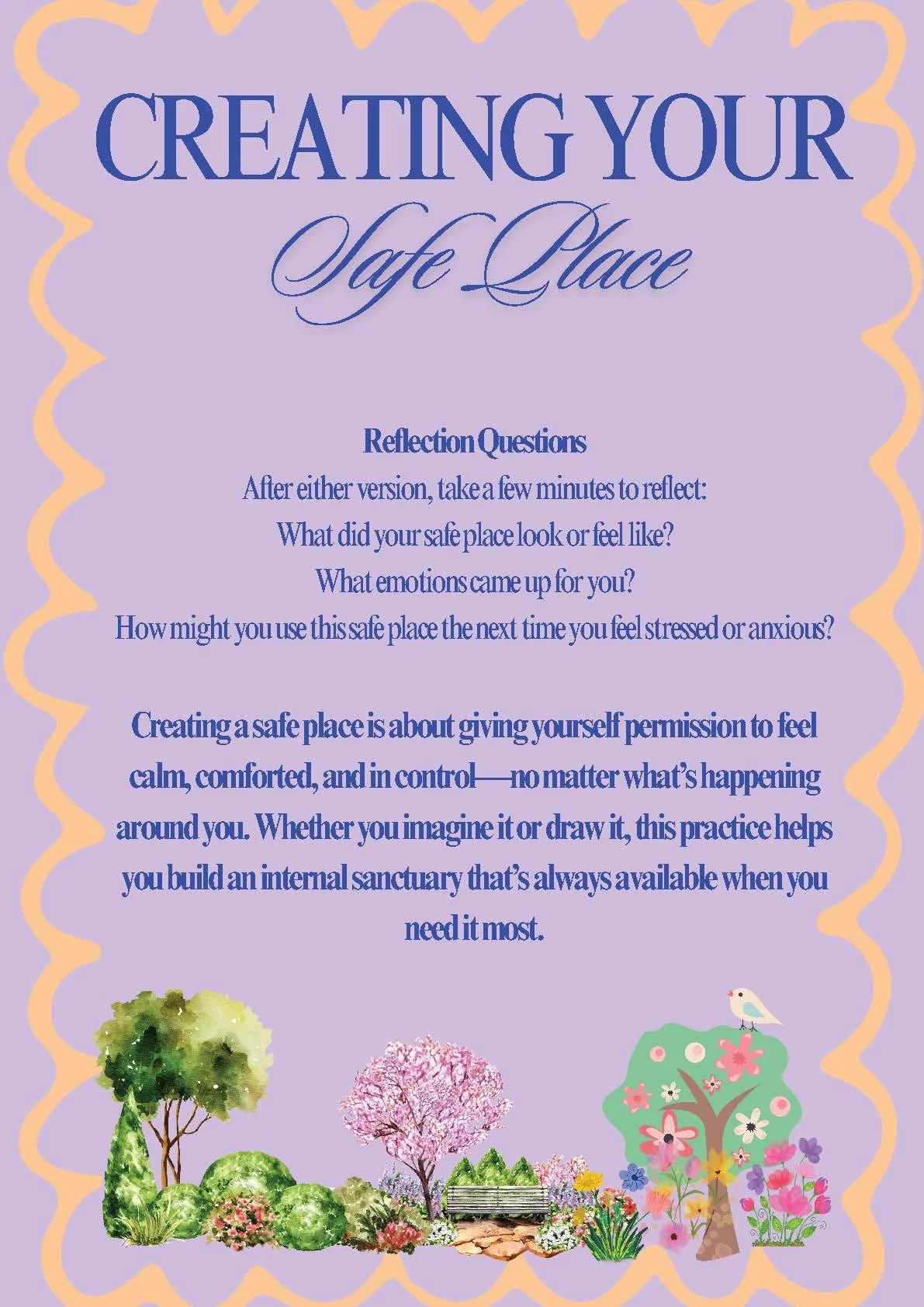
Creating an Inner Safe World
An inner safe world is an imagined or remembered place that offers a sense of safety, comfort, or steadiness. For many people, especially those who have experienced stress, trauma, or ongoing overwhelm, safety doesn’t always feel automatic. Creating an inner safe world can help the nervous system settle by offering a reliable place to return to — internally — when things feel difficult.
This section includes gentle visualisations and reflective prompts to help you build or strengthen a sense of inner safety. These practices aren’t about escaping reality, but about giving your body and mind moments of rest, grounding, and reassurance when you need them.
You’re encouraged to move at your own pace, adapting or imagining what feels most supportive for you.
Self-Care & Everyday Wellbeing
Self-care is not about doing more or getting it “right” — it’s about responding to yourself with kindness, honesty, and care. This section offers supportive resources to help soften self-criticism, encourage emotional safety, and provide steadiness during difficult moments. Everything here is intended to be used flexibly, without pressure or expectation.
Better Sleep
Sleep difficulties are often linked to stress, anxiety, and nervous system dysregulation. This section offers supportive information and gentle strategies to help create conditions for rest. Rather than focusing on perfection or rigid routines, these resources encourage compassion, consistency, and understanding your own sleep needs.
Setting up your day
How we begin the day can shape how supported, steady, or overwhelmed we feel later on. “Setting up your day” doesn’t mean creating a perfect routine — it’s about offering yourself small moments of intention, care, or grounding before the day unfolds.
This section includes gentle prompts and practices designed to help you check in with yourself, set realistic intentions, and start the day with kindness rather than pressure. You can use these resources flexibly — even one small pause can make a difference.
Affirmations for Healing, Safety, and Self-Kindness
Affirmations are simple, intentional statements that can help soften harsh self-talk, create moments of grounding, and support emotional regulation. They are not about forcing positivity or pretending everything is okay. Instead, affirmations offer steadiness, permission, and compassion — especially during difficult or overwhelming moments.
These resources are grouped around themes such as safety, emotional acceptance, self-compassion, and healing. You’re invited to use them gently and flexibly, choosing words that feel neutral or supportive rather than pressured or unrealistic.
These resources support:
Self-compassion during moments of struggle or self-criticism
Grounding and reassurance when emotions feel intense or uncertain
Emotional acceptance without judgement or minimisation
Gentle encouragement through therapy, healing, and inner work
Reminding yourself that progress can be slow, imperfect, and still meaningful

Articles and Links
A collection of trusted articles, websites, and resources from other organisations that may help you learn more about mental health, wellbeing, and support available to you.